


Awareness Solutions


Cyber Security Training
E-LearningCustomized E-Learning Development Awareness AcademyCyber Security Learning JourneyWebinarsPhishing Training Service
Company

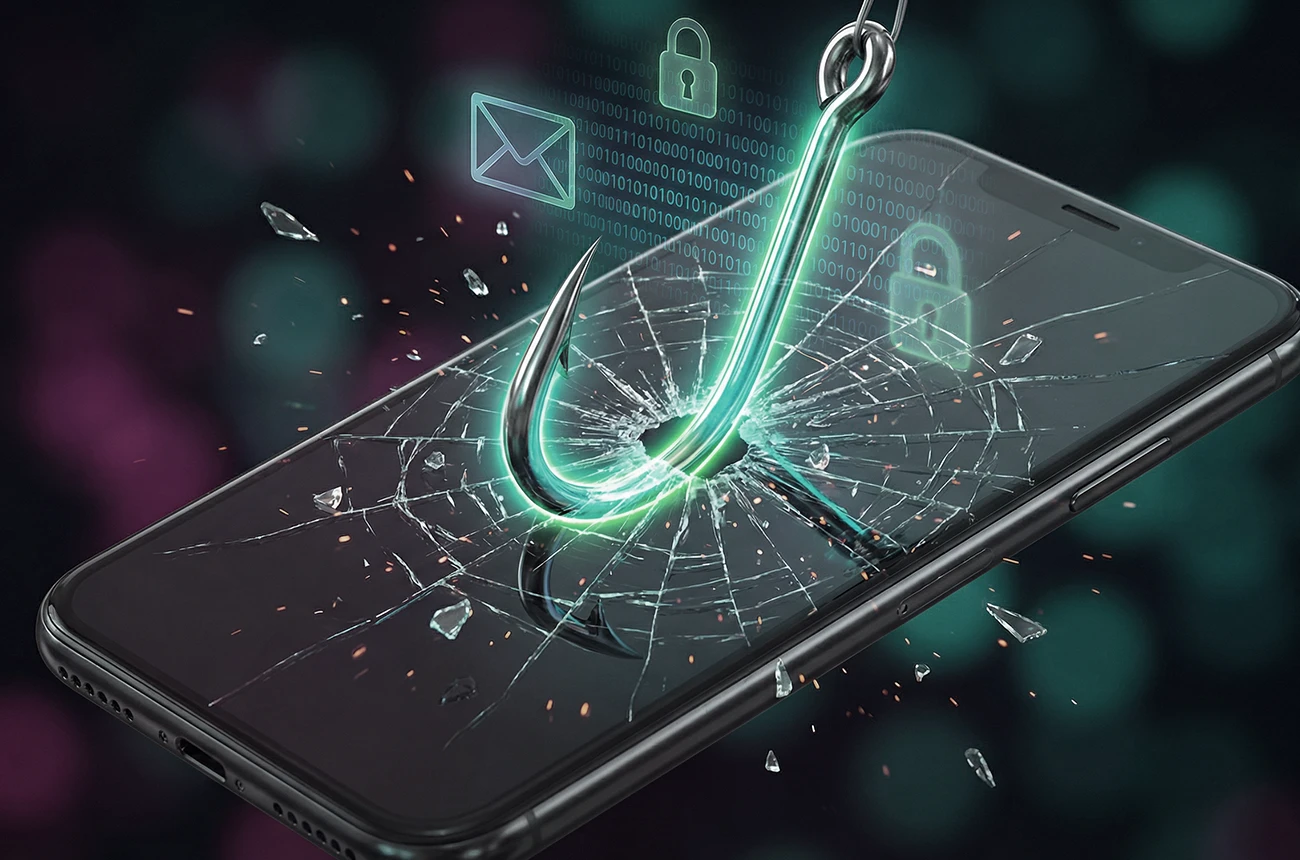
A brief real-world scenario illustrates the problem:
Tuesday morning, 10:00 a.m.: An employee is relaxed; his inbox is uncluttered. He recognizes a test email immediately.
Result: Click-through rate 0%—everything seems secure.
Friday afternoon, 4:30 p.m.: The same employee is under massive time pressure; a project is due. He receives a real, highly professional spear-phishing email. In the rush, he clicks.
Result: A catastrophic security incident.
The simulation created a false sense of security. While it measured behavior in the “lab”, it completely ignored underlying risk factors such as stress resilience or a lack of a reporting culture.
The click-through rate is a “soft” metric that is easy to manipulate. If you send simple lures, the numbers look great—but have your employees really learned anything from it?
This is where the SAR comes in. Instead of just looking at the “clicking finger”, the radar delves deep into the foundation of your organization. Based on scientific models, it measures three critical dimensions:
Phishing simulations are a useful training tool, but they are not a compass for your strategy. Only the Security Awareness Radar® provides the hard facts you need to allocate budgets efficiently and minimize human risks in the long term.
Put an end to guesswork about click-through rates. With TreeSolution’s Security Awareness Radar® (SAR), you get a crystal-clear analysis of your security culture.
Use our comprehensive awareness solutions to make your company secure not just on paper, but in daily practice.

Form, E-mail, Phone
You can fill out a short form or send us an email. We will get back to you within two working days. You can also call us directly. Click on "Contact" and you will receive all the necessary contact details.


